Common Causes of Concrete Foundation Damage
To address common causes of concrete foundation damage, local contractors can evaluate issues like soil movement and water intrusion to provide effective repair solutions.
Understanding the common causes of concrete foundation damage is essential for property owners who want to protect their investment and maintain the safety of their homes. Issues such as soil movement, poor drainage, and inadequate construction practices can all lead to cracks, settling, or shifting that compromise the stability of a foundation. Exploring these causes helps homeowners recognize early warning signs and seek timely assistance from local contractors who specialize in foundation repair services. Staying informed about what can contribute to foundation problems empowers property owners to make proactive decisions and avoid more extensive, costly repairs down the line.
For those in the community, knowing why foundation damage occurs can also highlight the importance of professional assessments and repairs. Local service providers are equipped to diagnose the root causes of foundation issues and recommend effective solutions tailored to specific conditions. Whether dealing with minor cracks or significant shifting, connecting with experienced contractors ensures that foundation repair efforts address the underlying problems and help preserve the integrity of the property. Continuing to learn about these causes encourages a proactive approach to foundation maintenance and highlights the value of expert assistance when needed.
- Soil shifting - when expansive or unstable soil causes foundation movement, local contractors can assess the site and implement stabilization solutions.
- Water damage - excessive moisture or poor drainage can weaken foundations, and experienced service providers can install proper waterproofing and drainage systems.
- Cracking or settling - signs of cracks or uneven settling often indicate underlying issues, with local pros providing foundation leveling and repair services.
- Tree root intrusion - nearby tree roots can exert pressure on foundations, and local contractors can remove roots and reinforce the structure as needed.
- Poor construction or materials - subpar building practices or materials may lead to damage, with service providers offering foundation evaluation and necessary repairs.
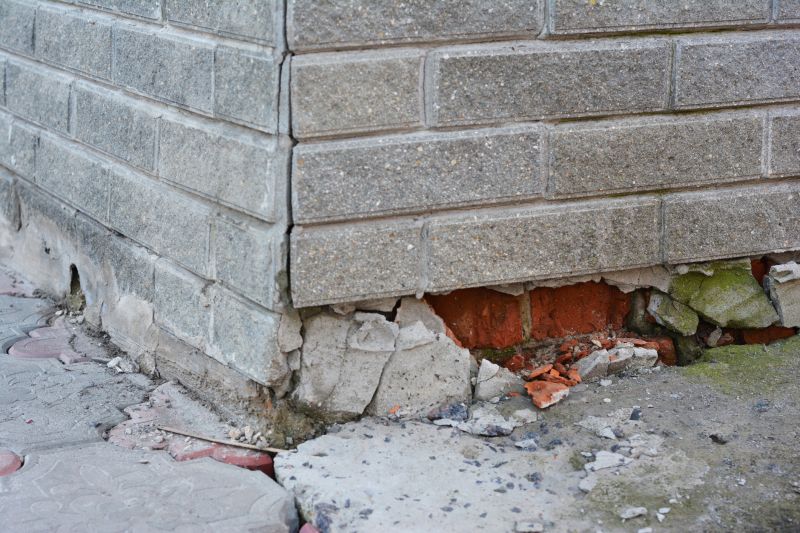
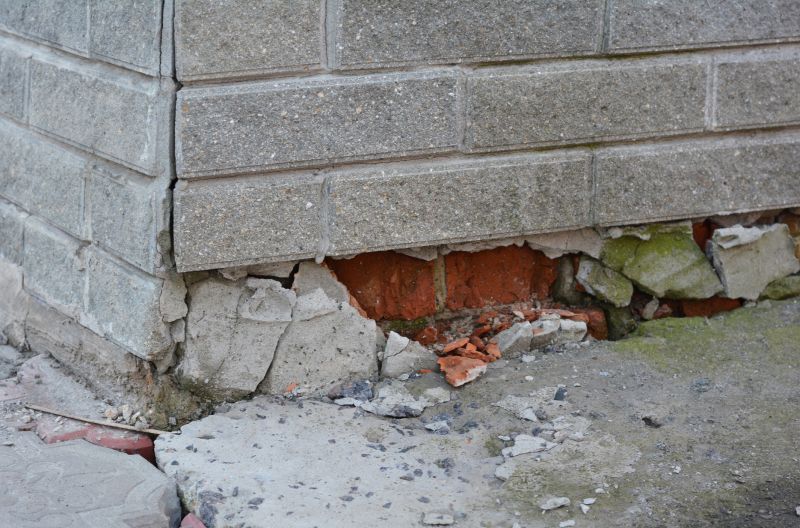
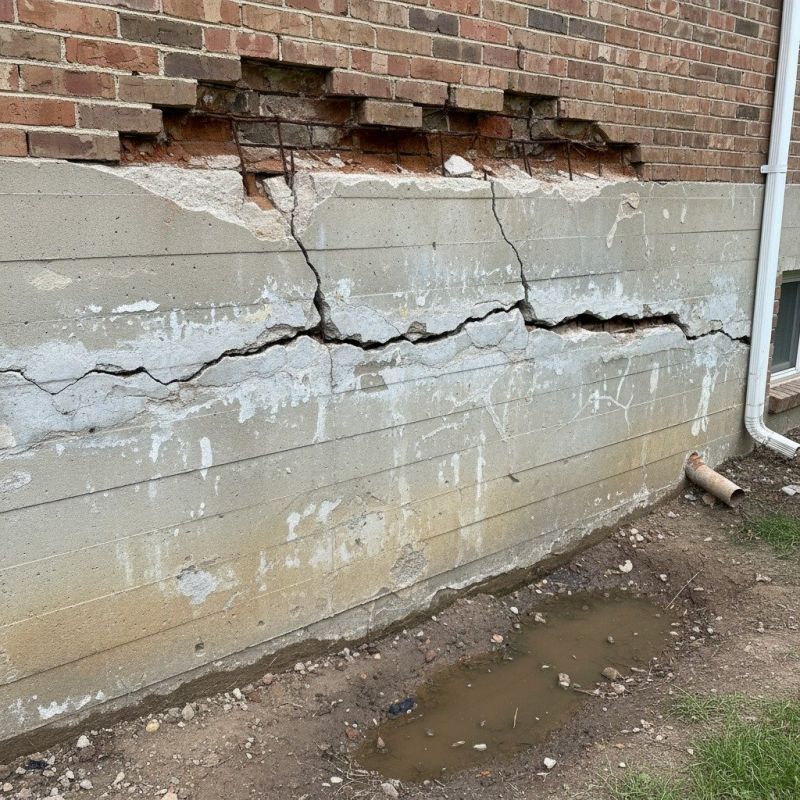
Understanding the common causes of concrete foundation damage is essential for homeowners concerned about the stability and safety of their property. When people search for this topic, they often want to identify what might be leading to cracks, settling, or other issues in their foundation. These problems can stem from a variety of factors, including natural soil movement, water intrusion, and improper construction practices. Recognizing the root causes helps homeowners plan effective repairs and take preventative steps to protect their investment. Local contractors experienced in foundation repair can assess these issues and recommend appropriate solutions based on the specific causes identified.
The types of problems associated with foundation damage are often related to structural shifts or deterioration that compromise the integrity of the concrete. For example, shifting soil can cause uneven settling, leading to cracks or gaps in the foundation walls. Excess moisture or poor drainage can weaken the concrete over time, resulting in spalling or crumbling. Additionally, issues like tree root intrusion or plumbing leaks can exert pressure or introduce excess moisture, accelerating damage. These problems are typically connected to long-term property plans focused on maintaining structural stability and preventing further deterioration. Homeowners may also explore repair strategies that involve addressing the underlying causes to ensure long-lasting results.
Concrete foundation damage commonly appears in residential properties, especially those built on expansive or poorly compacted soil. Single-family homes, townhouses, and multi-unit buildings can all experience issues if the foundation was not properly designed or constructed for the local soil conditions. Properties situated in areas with significant seasonal changes, heavy rainfall, or high groundwater levels are more prone to foundation problems caused by soil movement and moisture fluctuations. Commercial buildings and other structures with concrete foundations can also encounter similar issues, often requiring specialized assessment and repair. Local service providers who specialize in foundation repair are equipped to evaluate these property types and determine the best course of action to restore stability and prevent future damage.
Ultimately, understanding the common causes of concrete foundation damage helps homeowners connect the dots between the symptoms they observe and the underlying issues that need attention. Whether it’s cracking, uneven floors, or sticking doors, these signs often point to deeper problems rooted in soil conditions, water management, or construction quality. By working with experienced local contractors, property owners can identify the specific causes affecting their foundation and develop targeted repair plans. These professionals bring the expertise needed to address the root issues, ensuring the foundation remains solid and secure for years to come. Proper diagnosis and timely intervention are key to maintaining the safety and value of any property with a concrete foundation.
Concrete repair projects - these involve similar skills and tools used to fix cracks and uneven surfaces caused by foundation issues, making them relevant for addressing common causes of concrete foundation damage.
Drainage system installations - proper drainage planning and excavation techniques are essential to prevent water-related foundation problems, connecting these services to foundation damage prevention efforts.
Soil stabilization services - understanding soil conditions and implementing stabilization methods are crucial for preventing foundation settlement and damage, aligning with the skills needed for foundation repair.
Retaining wall construction - designing and building retaining walls requires knowledge of soil pressure and drainage, which are also important in managing causes of foundation damage.
Basement waterproofing - waterproofing involves sealing and moisture control techniques that help mitigate water infiltration, a common cause of foundation deterioration.
Excavation and grading projects - these services involve site preparation and soil management skills that are vital for addressing foundation settlement and related issues.
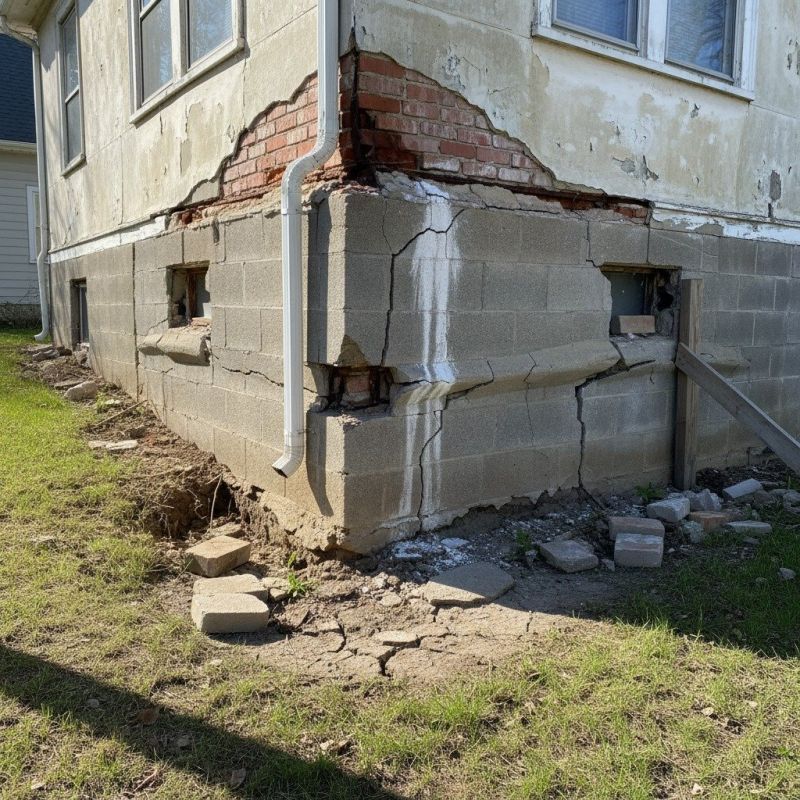
When evaluating service providers for foundation damage repair, it’s important to consider their experience with similar projects. Homeowners should inquire about the types of foundation issues they have addressed and whether they have worked on properties with common causes of concrete foundation damage, such as soil movement, water intrusion, or poor construction practices. An experienced contractor will have a clear understanding of how these issues develop and how to approach repairs effectively, which can help ensure the work is performed correctly and minimizes the risk of future problems.
Clear written expectations are essential when comparing local contractors. Homeowners should ask for detailed proposals that outline the scope of work, methods to address the specific causes of damage, and the materials to be used. Having this information in writing helps prevent misunderstandings and provides a basis for assessing whether the contractor’s approach aligns with the property’s needs. Transparent communication about the process and what to expect during repairs can also contribute to a smoother project and better overall results.
Reputable references and strong communication are key factors in choosing the right service provider. Homeowners should seek out local contractors with positive feedback from previous clients, especially those who have handled repairs related to common causes of concrete foundation damage. Good communication practices, such as responsiveness and clarity, help ensure that questions are answered and concerns addressed promptly. These qualities can lead to a more confident decision and a successful repair experience, as homeowners are better equipped to work with service providers who prioritize transparency and professionalism.
Property owners often search for common causes of concrete foundation damage when they are planning practical projects around their homes and businesses. Local pros provide Foundation Damage Repair services for everyday jobs and straightforward project options.
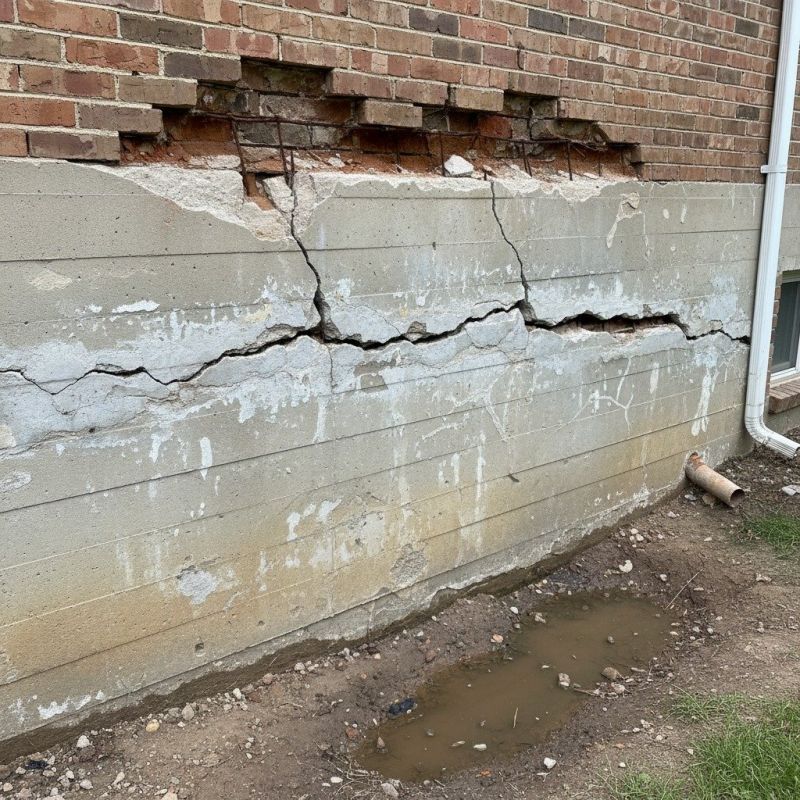
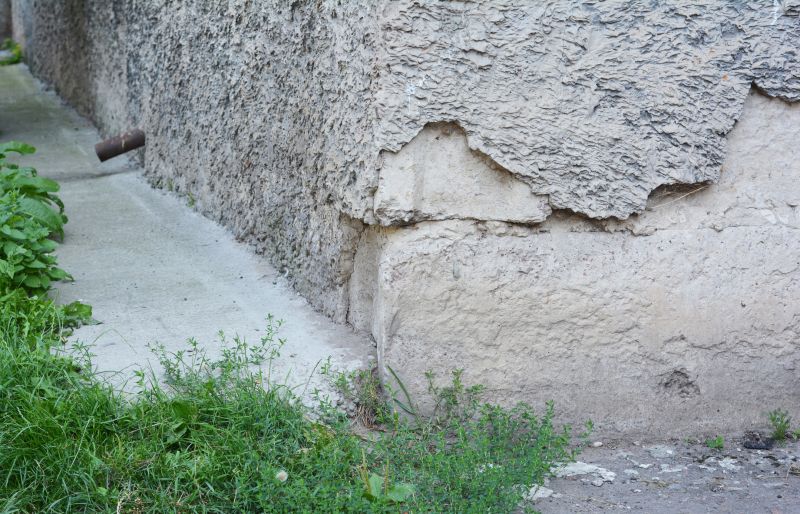
Understanding the common causes of concrete foundation damage can help property owners identify issues early and seek appropriate repair services. In many cases, foundation problems arise from natural soil movement, such as expansive clay that swells when wet and shrinks during dry periods, putting pressure on the concrete. Additionally, poor drainage around the property can lead to excess water accumulation, which weakens the soil supporting the foundation and causes shifts or cracks over time. These everyday situations are often the reason property owners in the area look into foundation damage repair services offered by local contractors.
Other frequent contributors to foundation damage include improper construction techniques or materials that don’t withstand local soil conditions, as well as landscaping practices that alter the natural flow of water around the property. For example, planting large trees too close to the foundation can cause roots to grow underneath, exerting pressure and leading to cracks. Recognizing these simple, everyday causes can prompt property owners to consult with local service providers who specialize in foundation repair, ensuring the necessary measures are taken to protect the structural integrity of the property.
What are common causes of concrete foundation damage? Common causes include soil movement, water infiltration, poor initial construction, and tree root growth that exert pressure on the foundation.
How does soil movement lead to foundation damage? Shifting or expanding soil can create uneven pressure on the foundation, leading to cracks and settling issues that may require repair from experienced contractors.
In what ways does water infiltration damage a foundation? Excess moisture can weaken the concrete and cause erosion around the foundation, often resulting in cracks or shifting that local service providers can address.
Can tree roots cause foundation problems? Yes, invasive tree roots can grow beneath or near the foundation, exerting pressure and causing cracks or movement that specialists can help repair.
Why is poor initial construction a cause of foundation damage? Substandard building practices or inadequate soil preparation can lead to structural weaknesses that may require repair from qualified contractors to prevent further issues.
Soil expansion and contraction - understanding how moisture changes can cause soil movement helps property owners plan proper drainage and moisture control with local contractors.
Poor drainage systems - installing or repairing gutters and downspouts can prevent water pooling around the foundation, reducing damage risks with help from local service providers.
Tree and shrub placement - avoiding planting large trees too close to the foundation minimizes root-related pressure that could lead to cracks, with guidance from local foundation specialists.
Foundation settling - recognizing signs of uneven settling allows property owners to seek foundation leveling or underpinning services from experienced local contractors.
If you are thinking about common causes of concrete foundation damage for a property, this guide is meant to help you understand this topic, the typical project types, and how different options might fit your plans.
When you are ready, you can use the quote form on this page to share a few details about your project. From there, local pros can review the basics and follow up with options that match what you have in mind.